WEBINAR FOR THE KENYAN DIASPORA
Trusts & Taxes: Protecting Wealth Across Borders
July 28 at 7 pm Pacific time
THE PROBLEM WE'RE SOLVING
Wealth can cross borders. So can legal and tax risk.
Property transfers into a trust
Many diaspora Kenyans have heard that property transferred into a family trust in Kenya may qualify for tax exemption. But they are still unsure what this means in practice, what the process involves, and what must be done correctly.
Ongoing tax obligations
A common misconception is that once assets are placed in a trust, tax questions disappear. In reality, the trust may still have ongoing obligations depending on how it is structured, what assets it holds, and whether it earns income.
Cross-border uncertainty
If you live in the U.S. and own assets in Kenya, you may be thinking about Kenyan tax, U.S. tax, succession planning, family control, and how to avoid future disputes. Without clear advice, the process can feel overwhelming.
WHAT YOU'LL WALK AWAY WITH
From anxiety to certainty. in one hour
How family trusts work in Kenya
Understand the role of a family trust, what it can hold, and how it may help protect property, investments, and family wealth.
Tax implications of transferring assets into a trust
Understand the practical difference between a will and a trust, and when each applies to your situation.
The property transfer exemption
Understand the tax exemption that may apply when property is transferred into a trust, and why the process must still be handled carefully.
Cross-border planning considerations
Learn why Kenyans in the U.S. need to think about both the Kenyan legal position and their broader cross-border wealth structure.
Your Expert Panel
Hear from professionals bringing legal, tax, estate planning, and diaspora-focused perspectives to this important discussion.

JANICE WACHUKA
Managing Partner

EPHRAIM NDEGWA
Partner, Head of Strategy & Development
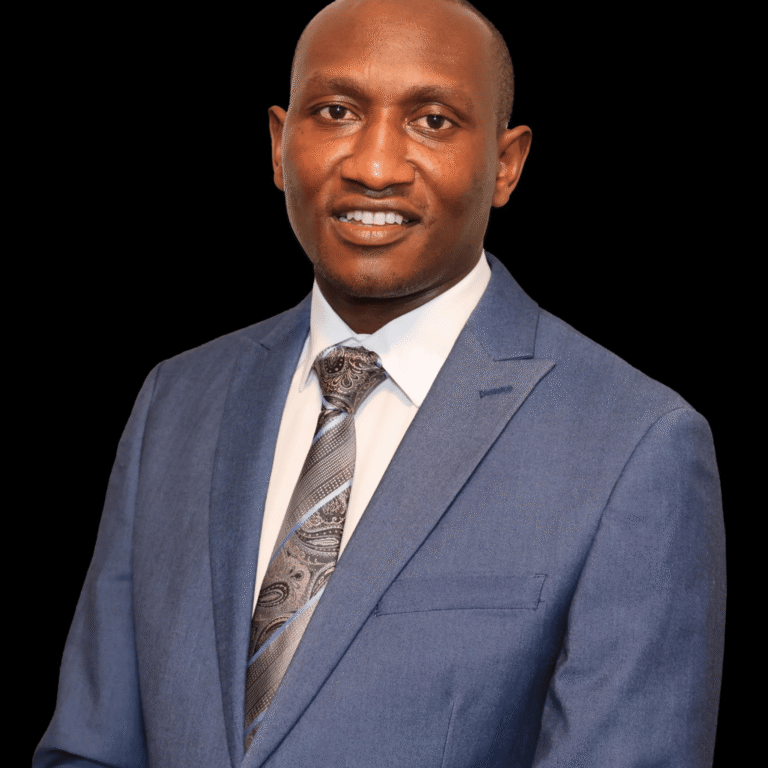
MARTIN WACHIRA
Partner, Diaspora Liaison
Our Clients
Trusted by Kenyans building and protecting wealth across borders.
Without proper planning, the risk is real.
- Property may be transferred or managed without a clear long-term structure.
- Family members may disagree over control, benefit, or decision-making.
- Tax obligations may be misunderstood or missed.
- Assets meant for future generations may be exposed to disputes.
- Trustees may be appointed without a clear understanding of their legal and tax responsibilities.
- Diaspora families may be left trying to solve Kenyan legal issues from thousands of miles away.
With the right structure, there is clarity.
- You can understand whether a trust is appropriate for your Kenyan assets.
- You can plan property transfers with greater awareness of tax implications.
- You can reduce confusion around who controls, manages, and benefits from family assets.
- You can preserve wealth for future generations with a clearer legal framework.
- You can move from uncertainty to a practical next step.
What this webinar is really about
This webinar is for Kenyans in the diaspora who have built wealth across borders and want to understand how trusts and tax planning can help protect their assets, preserve their legacy, and support a smoother transfer of wealth to future generations.
The session is especially relevant for members of the Kenyan diaspora in the United States who own property, businesses, or investments in Kenya and want to understand cross-border tax considerations while safeguarding their wealth through effective trust structures.
Who should attend
This webinar is especially relevant for members of the Kenyan diaspora in the United States who have built property or other assets in Kenya and want a more secure future for their families.
Kenyans abroad with property or investments in Kenya
You own land, a home, rental property, business interests, shares, or other assets in Kenya and want to make sure they are properly protected.
Kenyans in the U.S. with cross-border tax questions
You live in the United States and want to understand how Kenyan trusts, property transfers, and tax obligations may affect your broader wealth plan.
Property owners considering a family trust
You have heard that transferring property into a trust may have tax advantages, and you want to understand what that means before making decisions.
Your questions answered
Have a question not answered here?
Book a free call.
Who is this webinar designed for?
This webinar is designed for Kenyans living abroad, especially those in the United States, who own property, businesses, investments, or other assets in Kenya and want to understand how trusts and tax planning can help protect family wealth.
What legal topics will be covered?
The session will cover family trusts in Kenya, the tax implications of transferring assets into a trust, the tax exemption that may apply to property transfers into a trust, and common misconceptions about whether the trust itself pays income tax.
I live in the U.S. Can this process be handled remotely?
Yes. Many parts of estate planning and trust structuring can be discussed and prepared remotely. The webinar will explain what this can look like and what information may be needed before taking the next step.
What happens after the webinar if I want to take action?
You can book a private consultation with WAREN Law Advocates to discuss your assets, goals, family situation, and whether a trust may be appropriate for your circumstances.
Secure Your Legacy